
Supreme Court Rebukes Assam Professor Over Pro-Pakistan Post and Lewd Online Conduct
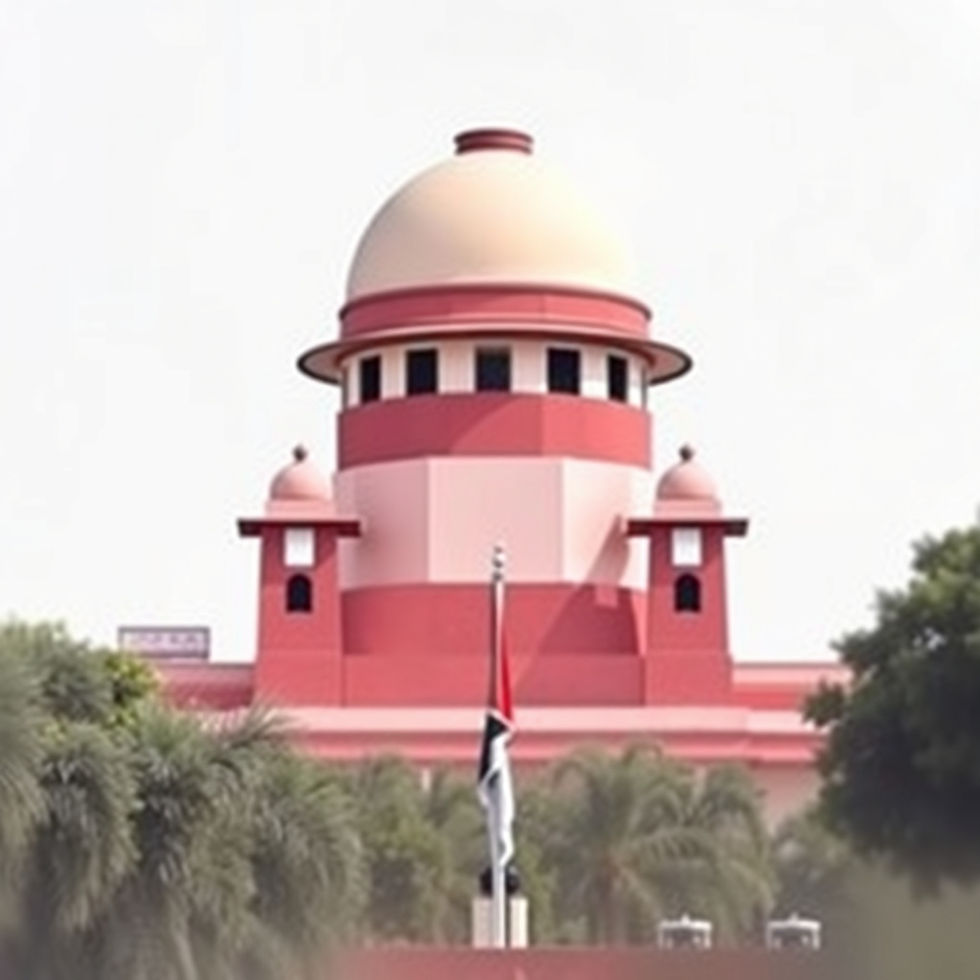
On November 12, 2025, the Supreme Court of India, presided over by Justices Surya Kant and Joymalya Bagchi, sharply condemned Md Joynal Abedin, a suspended assistant professor from Assam, during his bail hearing in MD JOYNAL ABEDIN Versus THE STATE OF ASSAM (SLP(Crl) No. 12160/2025). The bench labeled him a "threat to young girls" with a "perverted mind" for allegedly posting anti-national content supporting Pakistan and obscene material targeting women and minors.
Key Allegations
Pro-Pakistan Facebook Post: Abedin allegedly wrote, "We are with the brother of Pakistani citizens" and pledged future support, alongside endorsing Turkey’s President’s pro-Pakistan stance. The post, uploaded amid India-Pakistan tensions, led to charges under Section 152 BNS for acts endangering national unity.
Obscene Social Media Activity: Two FIRs, including one under the POCSO Act, accuse him of sexually explicit posts and online harassment of women and girls. The state described the content as "difficult to read in open court."
Legal History: Bail was denied by the trial court and Gauhati High Court (July 2025), which noted his support for Pakistan over India, violating Article 51A (fundamental duties). He has been acquitted in one FIR and remains in custody for 179 days.
Court’s Strong Observations
Justice Surya Kant: "You have not spared children and even matured women... You are such a threat to young girls! [You brought] shame to the word Professor." He stated Abedin should not even enter the college premises.
Justice Joymalya Bagchi: "You are in the habit of misusing the internet for various activities."
The bench dismissed claims of "immaturity" and highlighted trial delays due to the absence of a Presiding Officer since May 2025.
Interim Directions
State granted 1 week to submit instructions on bail.
Gauhati High Court Chief Justice urged to urgently appoint a Presiding Officer or transfer the case.
No bail decision was issued. The case reflects growing judicial scrutiny of online conduct, especially by educators, in matters of national security and child safety.

Comments